Shopping for a waterfront home on Lake Palestine brings you to a big choice early on. Do you buy on a cove, or out on the open water? That cove vs open water question on Lake Palestine is the first real fork most buyers hit. Lake Palestine covers about 25,560 acres and runs roughly 18 miles long, with 135 miles of shoreline. It's a Neches River lake, filled back in 1962. There's plenty of both kinds of waterfront to look at.
Neither one is better across the board. It comes down to how you actually spend your time on the water. I've lived on this lake and sold homes on both sides, so here's the straight version.
Short version: open water gives you long views, deeper water at the dock, and room to run a boat. A cove gives you calm water and shade, plus shelter from the weekend traffic. That's the tradeoff I hear from buyers over and over.
What's the difference between a cove home and an open-water home?
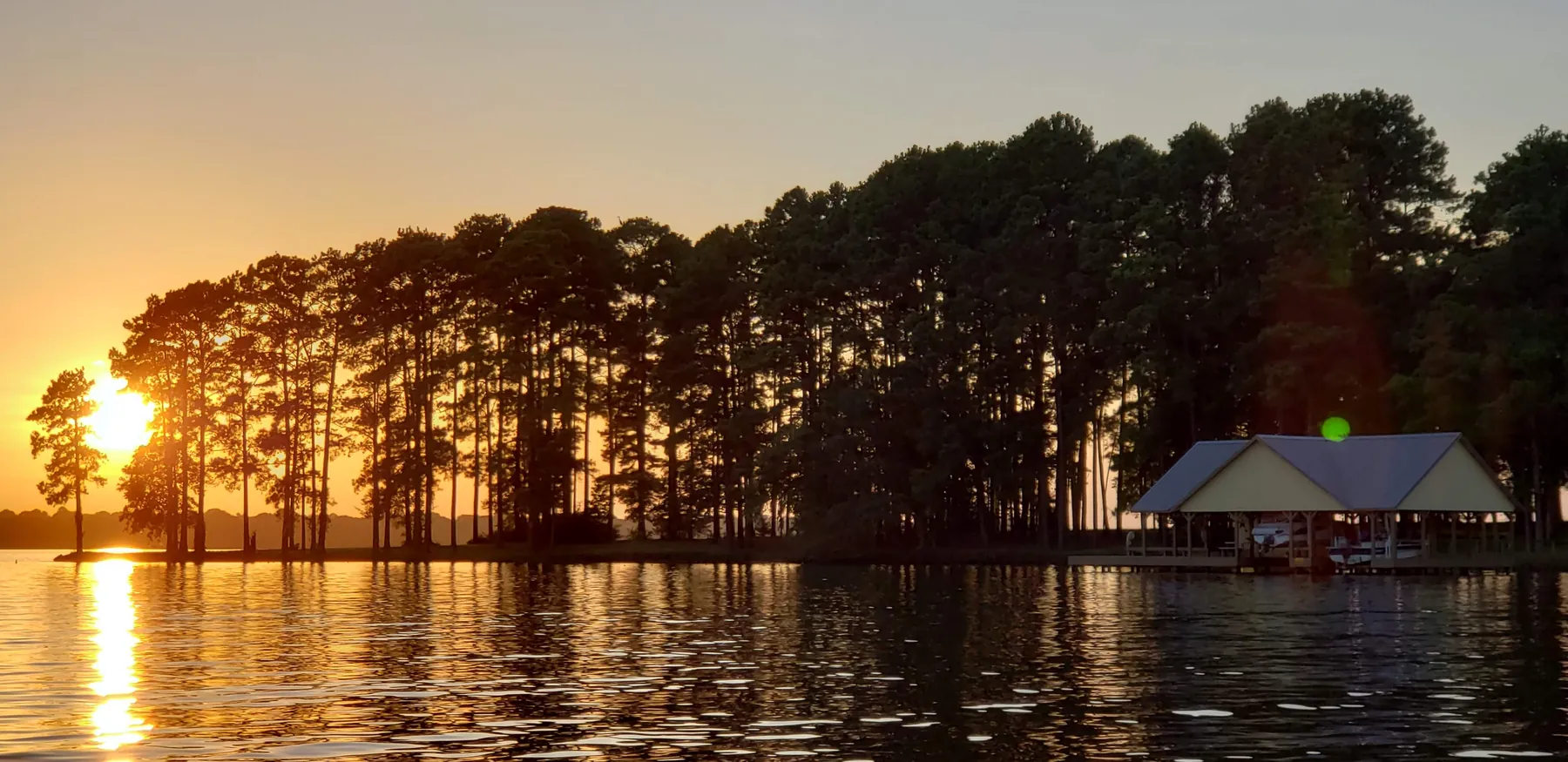
An open-water home sits right on the main body of the lake, with nothing between your porch and the wide part of the water. You get long sightlines straight down the lake, and some of the best sunsets in East Texas.
A cove home sits tucked into one of the lake's sheltered fingers or creek arms. The shoreline wraps around you, so the water is narrower and a lot stiller. You're still right on the water. You just trade the long horizon for protection and privacy.
What's good about an open-water home on Lake Palestine?
The view is what people are really paying for. You look straight down miles of water instead of across at a neighbor's dock.
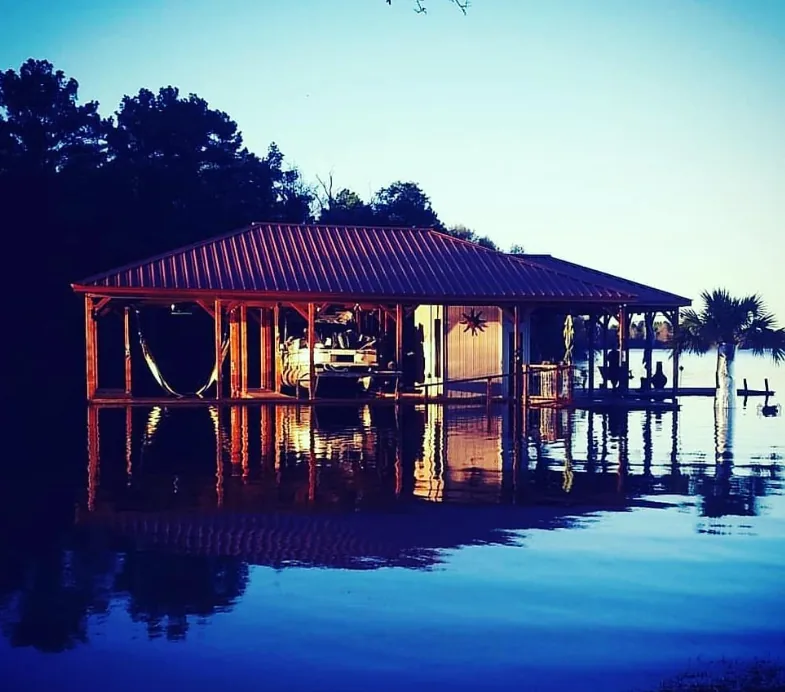
Depth is the other real advantage. Lake Palestine averages about 16 feet deep and gets down to about 58 feet near the dam, and open-water lots usually sit over deeper water right off the dock. That matters more here than on a lot of lakes, because Lake Palestine is part of the long-term water supply for North Texas through the Integrated Pipeline Project. The lake level moves with drought, demand, and the season, and it moves both directions. I've been on this lake going on eighteen years, and the lowest I've ever seen it was the 2011 drought. It runs the other way too. A wet spring brings it up over the banks and into the lowest boathouses. I've watched it come up knee deep in a boathouse that sits a good three feet above the full line, with the water running several feet over the spillway. When it rains here, it rains, and the lake comes back quick. That's just how Lake Palestine runs, so it's worth knowing how high and how low your particular dock and boathouse sit before you buy. Deeper water off the dock keeps your boat floating in a dry summer, and enough height keeps your boathouse dry when the lake comes up. Anything you build or change down there also goes through the lake authority, and I cover how that works in Lake Palestine dock permits.
Now the honest part. Open water catches the wind and the boat wake. On a busy summer Saturday the water can get choppy, and all that open exposure means more afternoon sun on the deck and the dock.
What's good about a cove home on Lake Palestine?
Calm water is the main draw. The surrounding land blocks the wind and the main-lake wakes, so the water stays smooth. If you've got young kids swimming off the dock, or you like to be out on a kayak at sunrise, that protection is worth real money.
Coves tend to give you more shade too, from mature East Texas timber, which you'll appreciate in July. The setting feels more private and tucked away from the main run of the lake. Gated communities like Emerald Bay and Eagle's Bluff each carry different kinds of shoreline, so even inside one neighborhood it's worth standing on more than one dock. Eagle's Bluff earns its name, too. The land climbs a real grade toward the top, not a cliff exactly, but a steep uphill, and that changes the feel of a lot and the view off it.
The drawbacks are real, and I'll name them. Your view is shorter. Back in the creek arms and the backs of the coves, the water runs shallower and holds more standing timber and grass by late summer. And just about every cove on Lake Palestine has stumps. The deep water down by the dam doesn't. We've run it for years and never hit one, even through the drought. But up in the coves, you learn where they are. In a dry year, a shallow cove dock can have you walking the boat out to deeper water before you ever start the engine.
Not every cove is the same
One of my favorites doesn't even have a name on the map. It sits down on the deep end of the lake, near Blackburn Dam and the spillway, the first cove on the left off the deep-end public ramp. The mouth runs close to thirty feet deep, and even back where it narrows it still holds fifteen to eighteen feet when the lake is full, so it's a cove you can actually use in a dry summer, not just a wet one. The shoreline is lined with big iron ore boulders that have been there since they built the lake. Take a jet ski or a kayak all the way to the back and you'll find the old channel where the river authority used to stock the lake with fingerlings and let them run out to the main water. That's the kind of thing you only learn by spending years out there. Every arm of this lake has its own character, and I walked through them one at a time in my Lake Palestine neighborhoods guide.
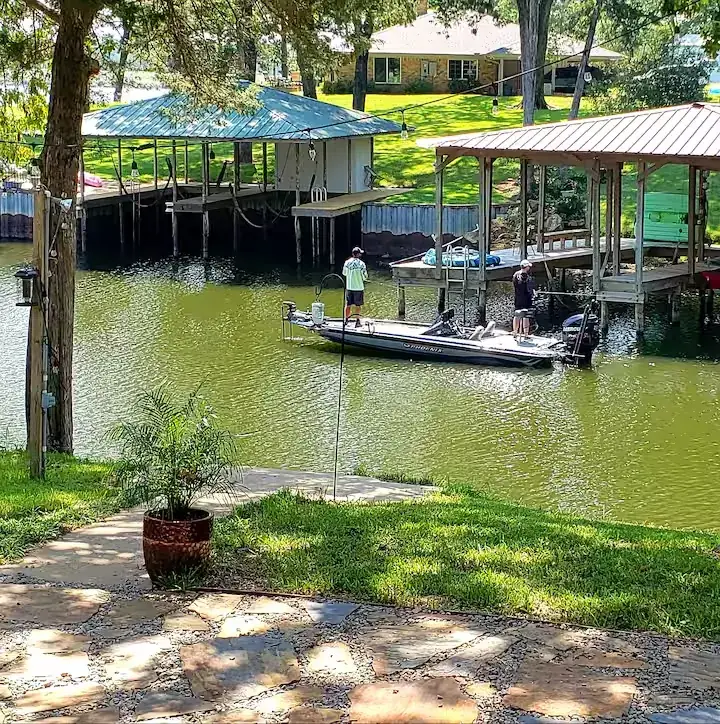
We keep a little place on that cove, the Lake Palestine Bungalow, and buyers are welcome to stay and get a feel for the lake before they ever make an offer.
If fishing is your thing, other coves earn their keep. Chimney Creek, over by FM 346, and the cove down by Lake Palestine Resort both hold crappie, catfish, and bass in the old standing timber and grass. You fish the banks and the brush, and you mind a stray stump on the way in. Different coves, different reasons to love them.
Which one is right for you?
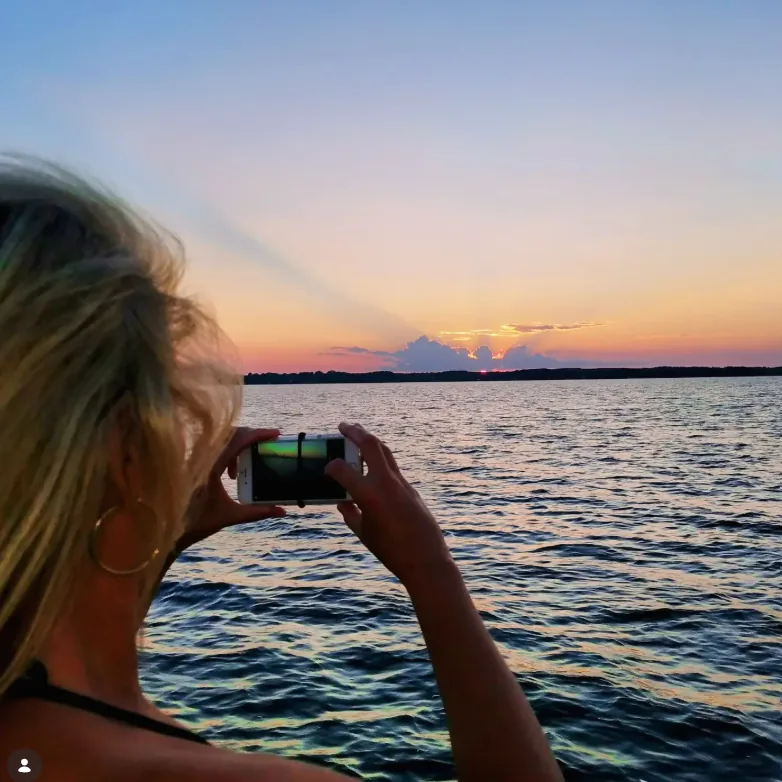
If your ideal week is cranking up the boat, pulling tubers, hosting sunset cocktails, and looking out at a wide horizon, look hard at open water. You're paying for the view and the deep water, and the afternoon chop won't bother you.
If you picture quiet mornings, kids swimming safely near the dock, and paddleboarding without fighting anyone's wake, a cove is your spot. Plenty of buyers start out set on open water, then stand on a quiet cove dock on a Saturday and change their minds on the spot.
Does open water or cove hold value better on Lake Palestine?
Here's the honest answer, and it's not the tidy one people expect. There's no clean price gap between cove and open water on Lake Palestine, because this lake is huge and every stretch of it is its own market. Open water in one area can sell for less than a cove home on deep water somewhere else. It comes down to the specific spot and the specific house, not just whether there's a point of land out front. Both hold value well, because waterfront on this lake stays in demand. What a home is actually worth depends on where it sits, how deep the water is off the dock, the shape the house is in, and what's selling around it. That's the kind of thing worth a real conversation before you fall for a listing photo. I went into what that means when you go to sell on a separate page.
So which should you buy?
There's no wrong answer here. The right choice is whichever setting lets you live on the lake the way you actually want to. I live right here on Lake Palestine, and I've helped buyers find good homes on the open water and tucked back in the coves. If you own on the lake and are weighing a sale, here is what one Frankston waterfront sale showed about pricing. Call or text me, tell me what your ideal weekend looks like, and we'll go stand on a few docks together.
Thinking about a place on Lake Palestine?
Tell me how you picture using the water and I'll help you figure out which side of the lake fits. No pressure, just honest local help.
Or reach me directly: 903-724-2338 (call or text) · [email protected] · buyer questionnaire
Charlene Hall, Your East TX Realtor®
Brokered By: Palestine Realty
"Selling Real Estate with Heart"
Frequently Asked Questions